Our projects


Less plastic, more sustainability:
Conversion of the water supply at the UKA
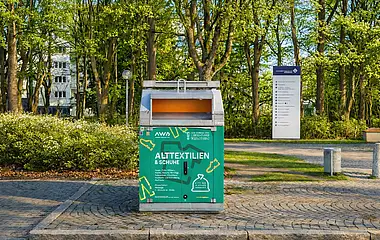
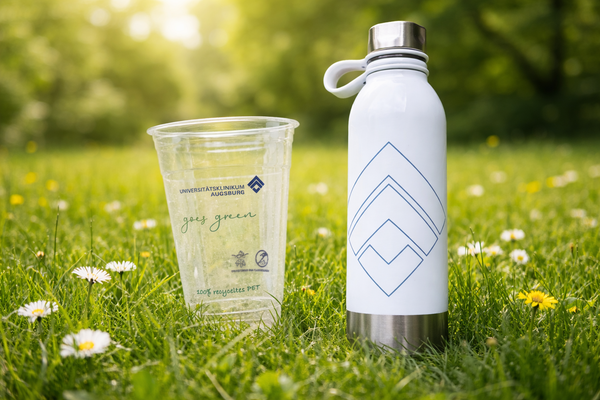
Avoiding plastic wherever possible and sensible. Based on this principle, the Medicine and Society department, together with the UKA's clinical hygiene department, implemented a pioneering project in 2019 to conserve resources. Employees from all professional groups replaced 0.4 million disposable plastic cups for their own use with reusable bottles they brought with them. In 2022, the 1.5 million plastic cups used in patient care were replaced with rPET cups.
These changes are making a noticeable and visible contribution to reducing single-use plastic at the UKA. The project shows how even seemingly everyday items can be redesigned and reorganised in a sustainable way, with significant added value for the environment and resource conservation.
Back to overview
Waste management at the UKA
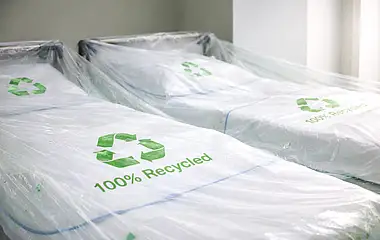
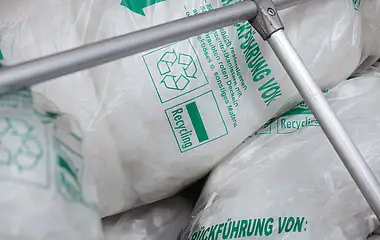
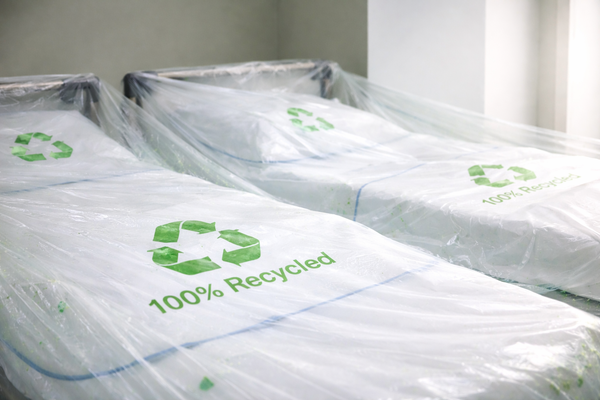
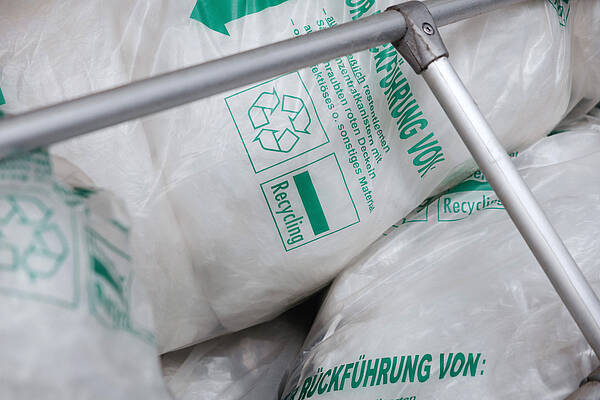
Every day, large quantities of packaging materials accumulate in everyday hospital life, especially disposable covers for beds and bedside tables. Since 2022, the UKA has been focusing specifically on recycling in this area: The PE films are collected after use and sent to an external, specialised company. In 2024 alone, 5.69 tonnes of PE film were recycled in this way. Material that would otherwise have ended up in waste incineration. The project thus avoids climate-damaging emissions, reduces residual waste and improves the ecological balance of hospital operations.
Through the targeted separation and recycling of plastic waste, the UKA shows how even everyday materials can make a difference when they are consciously collected and treated sustainably.
Sustainable catering at the UKA
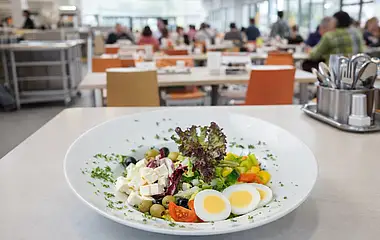
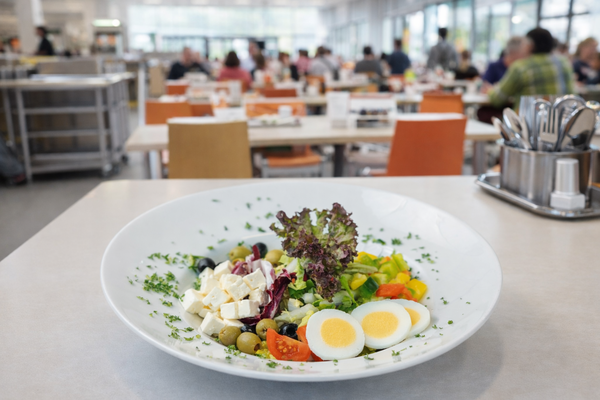
Sustainability begins in everyday life. This is where the "Sustainable Catering at the UKA" project comes in. The aim is to make the provision of food for patients and our employees more conscious and resource-efficient. The focus is on both ecological aspects and the promotion of healthy nutrition. Since 2025, the UKA has been participating in the nationwide "Cool Food Project", coordinated by the UK Tübingen. The UKA is pursuing the goal of significantly increasing the fibre content of its food.
What has the UKA achieved by 2025? To-go cups in the staff restaurant were replaced by environmentally friendly reusable alternatives in autumn 2019. Fresh, regional ingredients are increasingly being used in food preparation. A weekly Veggie Day has been held at the UKA on Mondays since October 2021, providing an opportunity to sample a variety of vegetarian dishes. The impact of these changes is already evident: the targeted changes will save over eight tonnes of meat and fish products annually – equivalent to around 60 tonnes of CO2.
Ecological landscape planning at the UKA
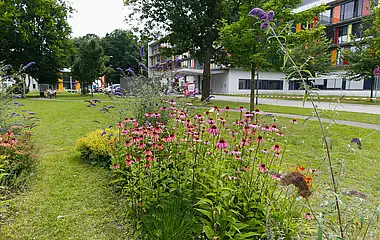
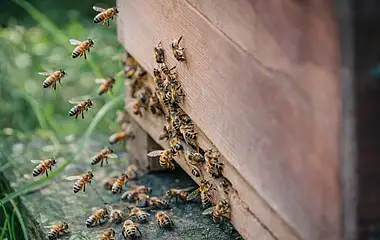
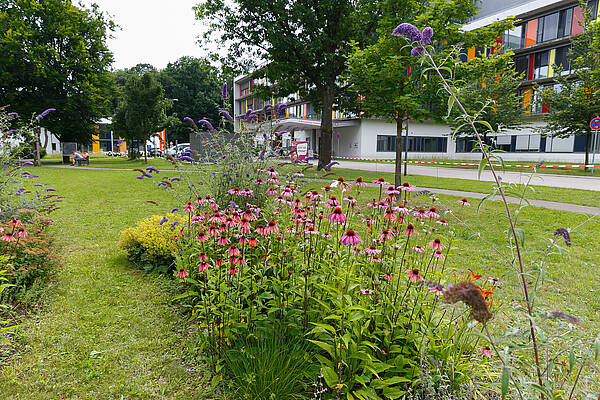
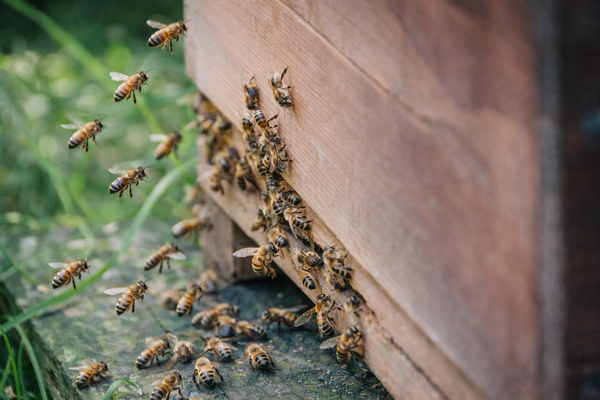
As part of an innovative ecological landscape planning project, the UKA is implementing targeted measures to promote biodiversity, environmental awareness and patient well-being. In collaboration with the Landschaftspflegeverband Stadt Augsburg e.V. (Augsburg Landscape Conservation Association), natural open spaces have been created that enhance biodiversity. A former football pitch on the eastern side of the UKA grounds has been transformed into a flowering meadow. Thanks to funding from MUKIS, two insect hotels now provide a new habitat for pollinators. The project was complemented by a suitable environmental education programme for the clinic's own daycare centre. At the MCS, experts redesigned the terrace of the palliative care ward with ecological aspects in mind.
The project impressively demonstrates how healthcare and environmental responsibility can go hand in hand – directly on the hospital grounds, for the benefit of people and nature.
KLIKgreen Climate Manager | Hospitals meet climate protection
Climate protection needs people to shape it – and that is exactly what the UKA has done as part of the KLIKgreen project. The UKA is part of a nationwide initiative that trains employees to become climate managers and initiates concrete measures in everyday hospital life.
The UKA is delighted that Dr Daniel Bolkenius, FOA in the Clinic for Anaesthesiology and Operative Intensive Care Medicine, has been appointed as a qualified climate manager at the hospital in 2021. Close cooperation with other institutions in the KLIKgreen network provides additional valuable impetus and is being carried forward by Dr Bolkenius as part of internal climate management.
Climate protection in the operating theatre:
Switch to more climate-friendly anaesthetic gases at the UKA
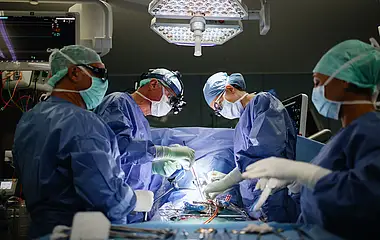
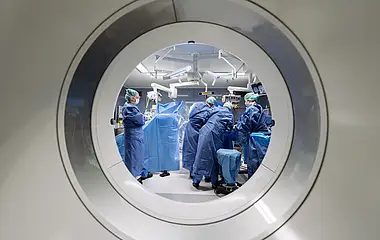
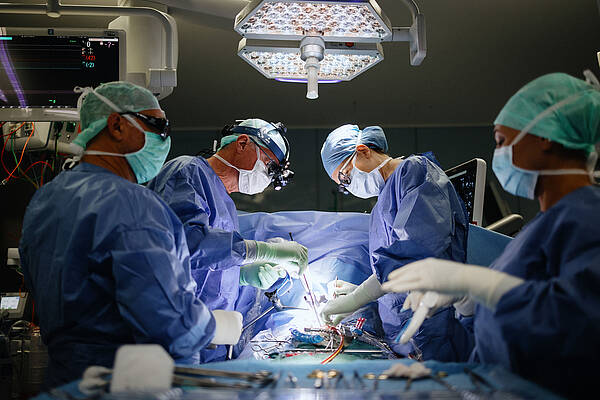
Effective contributions to climate protection can also be made in the operating theatre – as demonstrated by the switch to the much more climate-friendly anaesthetic gas sevoflurane. Thanks to an internal project initiative by the Clinic for Anaesthesiology and Intensive Care Medicine, the extremely climate-damaging desflurane has been completely eliminated from everyday clinical practice. Sevoflurane is now used instead. This anaesthetic has a significantly better climate balance: it is around 21 times less harmful to the climate.
This change saves approximately €16,000 in costs and 370 tonnes of CO2 equivalents per year. A measure with a noticeable effect. In this way, the UKA is not only reducing its ecological footprint, but also showing how climate protection and excellent patient care can go hand in hand.
Sustainability management at the UKA
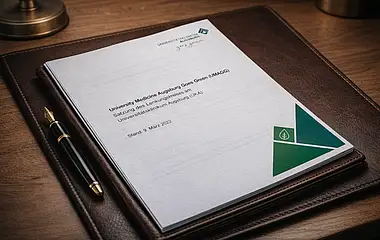
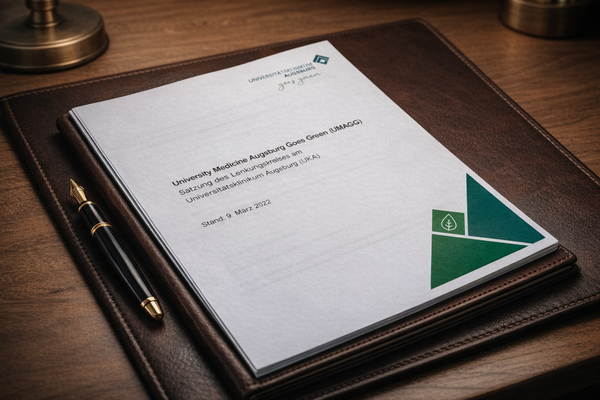
The UKA is taking an important step towards the future: since February 2022, an independent sustainability management structure has been firmly anchored in the organisation. The Executive Board adopted a charter that defines the organisational framework for sustainable action at the UKA.
The core element is an interdisciplinary steering committee, which is subordinate to the Executive Board. It brings together representatives and thus expertise from the UKA and the University of Augsburg. The steering committee oversees the development of sustainable measures in areas such as energy, mobility, research and supply.
With this structure, the UKA is laying the foundation for long-term, strategically managed sustainability development in the healthcare sector: responsible, forward-looking and institutionally secure.
Systematic waste separation:
Sustainable waste optimisation at the UKA
Conserving resources through targeted waste separation – that is the goal of an interdisciplinary project at UKA. Since 2023, all waste has been consistently separated at the Haunstetten site (hospital waste, paper/cardboard, glass and plastic). This has enabled an important contribution to sustainable waste management to be integrated into everyday hospital life.
In addition to patient care, the focus is also on upstream areas: in warehouse logistics, the hospital pharmacy and the kitchen, waste is already separated upon delivery of goods so that it is not unnecessarily mixed in the first place.
Switch to green electricity:
Climate protection through certified energy
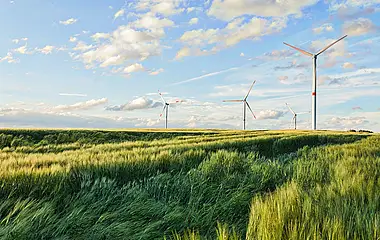
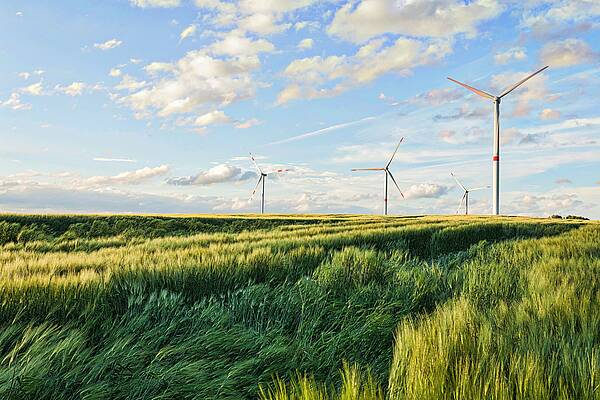
By purchasing certified green electricity, the UKA has made another important contribution to climate protection. In 2022, green electricity certificates worth EUR 120,000 were purchased to make the university hospital's electricity supply more sustainable.
The certificates guarantee that the energy fed into the grid comes from renewable sources, such as wind, water or solar power. With this change, the UKA is sending a clear signal for a future-oriented and responsible energy policy in the healthcare sector.
Energy efficient thanks to LED:
Lighting project at the UKA
The UKA is continuing to drive forward the climate-friendly conversion of its infrastructure. The focus is currently on the gradual conversion to energy-efficient LED lighting in areas away from patients, such as corridors, offices and ancillary rooms, by the Technology and Construction department.
In the period 2024/2025, conventional light sources, including incandescent, halogen and fluorescent lamps, will be systematically replaced with modern LED technology. The investment volume amounts to around EUR 1.8 million. Once the project is complete, the UKA expects annual cost savings of around EUR 730,000 and a reduction in CO2 emissions of around 750 tonnes per year. The planned amortisation period is therefore around 2.5 years.
The lighting project combines ecological responsibility with economic thinking and is another milestone on the road to sustainable hospital operations.
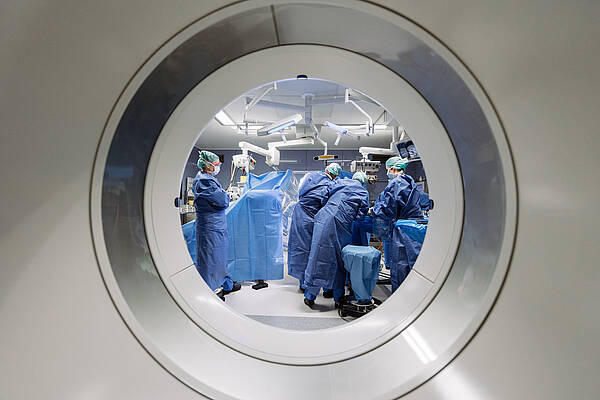
Optimisation of air conditioning technology in the central operating theatre
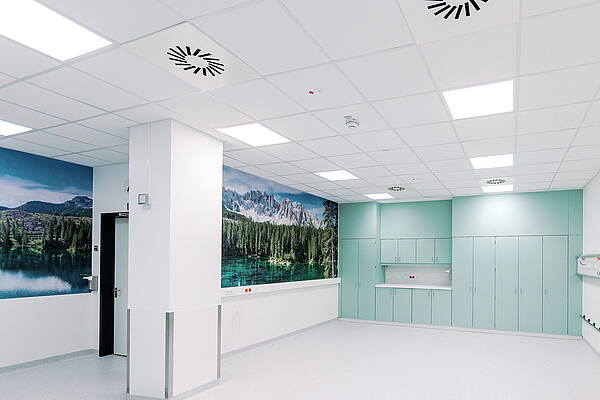
Operating theatres are among the most energy-intensive areas of a hospital. This is mainly due to the powerful ventilation and air conditioning systems that ensure the highest standards of hygiene. At the UKA, large quantities of air are filtered, cooled or heated with high energy input every year to ensure a low-germ environment in the operating theatre.
In order to significantly reduce its carbon footprint, the UKA will begin evaluating the need to modernise the air conditioning technology in the central operating theatre in September 2025. Depending on the results, a comprehensively prepared project proposal for the standby operation of selected operating theatres may then be implemented. The climate manager worked closely with the users, the energy manager and the clinic hygiene department.
Sustainable travel:
Corporate mobility management at the UKA
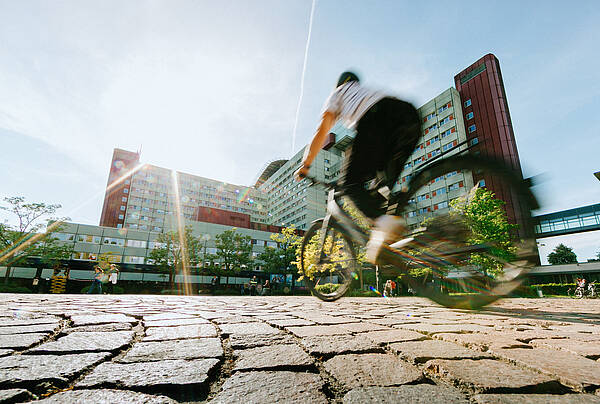
How can employees get to work in the most sustainable and safe way possible? This question is at the heart of corporate mobility management at the UKA. Based on a comprehensive mobility survey conducted in spring 2023, the Medicine and Society department launched initial measures with the aim of promoting climate-friendly alternatives to driving and improving accessibility to the UKA.
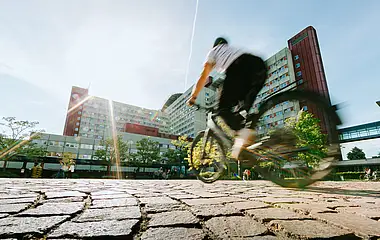
A key component is bicycle leasing, which has been available to all employees since April 2025. In addition, a bicycle repair station has been set up. Regular campaign days on safe cycling are held.
In addition, the UKA is working with the city and district of Augsburg to improve public transport connections and cycling infrastructure. These measures are accompanied by a strategic mobility concept developed in cooperation with the Technical University of Ingolstadt. Concrete implementation steps and implications for the UKA are currently being examined.
More efficient with less CO2:
Optimisation of steam generation at the UKA
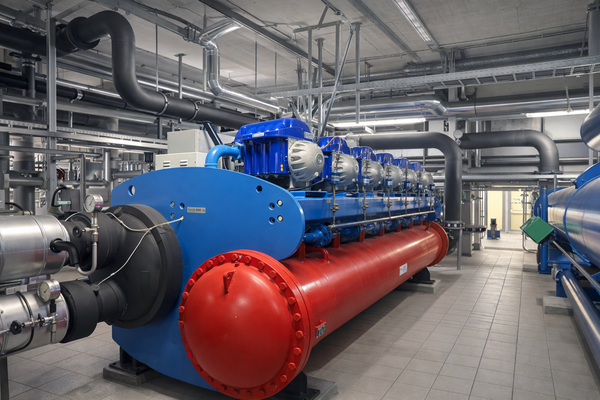
The energy supply of a large hospital also includes the generation of process steam, an energy-intensive area with great potential for savings. At the UKA, a project to optimise steam generation and distribution is therefore being carried out under the leadership of the energy manager (Technology and Construction Division).
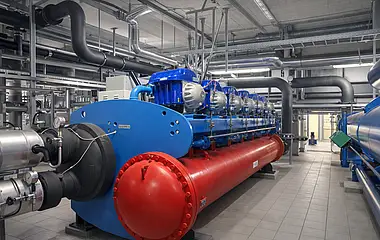
A key factor is the increased output of the existing wood chip-fuelled biomass boiler. The increased use of renewable energy sources has significantly reduced the proportion of steam generated using natural gas. At the same time, the efficiency of steam distribution is being improved by replacing defective steam traps, which previously resulted in unnecessary losses.
The expected effect: a projected CO2 saving of around 1,000 tonnes per year, measured against the average consumption of the previous two years. The project shows how technical optimisation can make an important contribution to climate protection, especially in areas that have often remained hidden until now.
ProTect: Entwicklung eines Hitzeaktionsplans für das Universitätsklinikum Augsburg
Der unmittelbarste Ausdruck des Klimawandels zeigt sich durch eine erhöhte Häufigkeit, Intensität und Dauer von Hitzeextremen. Bei der Vermeidung gesundheitlicher Folgen von Hitzeereignissen kommt den Beteiligten des Gesundheitswesens und den Gesundheitsberufen eine zentrale Rolle zu, da sie eine direkte Schnittstelle zu Risikogruppen, insbesondere älteren und kranken Menschen, darstellen. Maßnahmenpläne zur Vorbereitung auf solche Ereignisse müssen daher auch für Krankenhäuser entwickelt werden.
Für das UKA wird deshalb ein Hitzeaktionsplan entwickelt, der auf Grundlage der WHO- und BMU-Empfehlungen die hitzebedingte Gesundheitsgefährdung bewertet, das zukünftige Hitzerisiko abschätzt und in enger Abstimmung mit Fachleuten und Mitarbeitenden erprobt, ausgewertet und schließlich dauerhaft umgesetzt wird.